Volleyball: A Designer's Take on This Embroidery File
As someone who has spent years turning digital files into tangible, stitched masterpieces for clients and craft fairs alike, I approach every new download with a mix of excitement and skepticism. The market is flooded with generic shapes and overused quotes, so finding a design that actually elevates a finished product is rare. When I first opened the Volleyball embroidery file, my immediate reaction wasn't about the file formats or the zip folder contents; it was about the mood. It feels energetic, spirited, and perfectly tuned for the athletic aesthetic that dominates modern handmade goods.
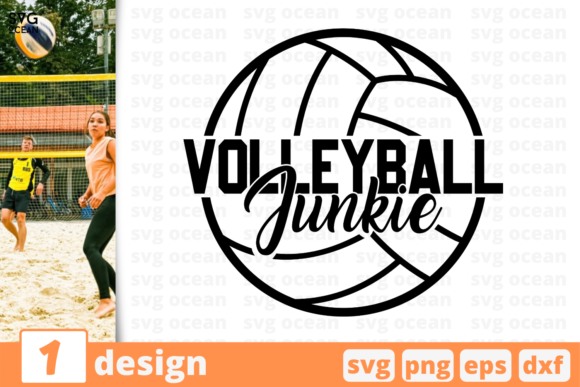
This isn't just another sports graphic waiting to be cut from vinyl. In the world of machine embroidery, where thread texture and stitch density dictate the final look, Volleyball strikes a balance that many designs miss. It captures the essence of the sport without feeling cluttered or overly complex. For those of us running small shops on Etsy or managing boutique inventory, this kind of visual clarity is gold. It suggests a design that will hold up well under the scrutiny of close-up product photography and the wear-and-tear of actual use.
From Screen to Stitch: Real-World Application
Let's talk about how this design behaves in a real project scenario. Imagine you are prepping for a busy holiday season or launching a new line of custom apparel for a local youth league. You need something that screams team spirit but looks professional enough to command a higher price point. I took the Volleyball file and ran a test on a heavy cotton twill tote bag, a common staple for craft fair vendors. The result was striking.
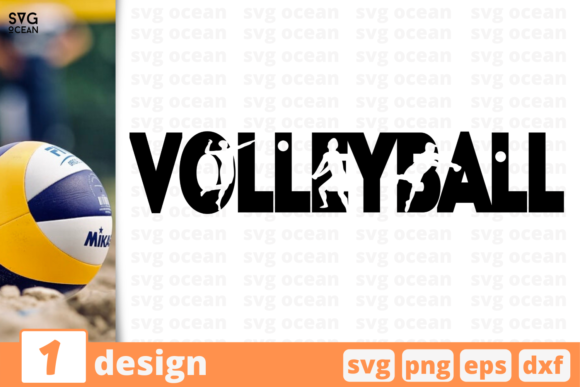
The layout naturally guides the eye. Unlike some blocky text-heavy designs that can look stiff when embroidered, this piece flows. It works beautifully as a central motif on a sweatshirt, positioned right over the heart, or as a subtle accent on the corner of a kitchen towel. The shape implies motion, which translates surprisingly well into thread. When stitched, the curves soften, creating a tactile experience that flat graphics simply cannot match. Customers often touch the embroidery on their purchases, and the dimensionality here adds a layer of perceived value that makes the item feel more premium.
I also tested it on a baby onesie using a soft knit fabric. This is always a gamble with embroidery because the tension can pucker delicate materials. However, the design's spacing seemed forgiving enough to prevent that dreaded bunching effect. It feels like a design that respects the limitations of the hoop size while still delivering a bold statement. Whether you are making personalized gifts for a volleyball mom or branding merchandise for a summer camp, Volleyball fits seamlessly into the narrative of the product.
Where the Design Shines
In my experience reviewing various Graphics and Crafts assets, certain designs have a "sweet spot" where they perform best. Volleyball excels in environments where durability and clear recognition matter most. It is an ideal candidate for:
- Custom Apparel: T-shirts and hoodies benefit from the design's clean lines, which remain legible even after multiple washes.
- Accessories: Tote bags and aprons provide a stable canvas that allows the fill stitches to pop without distortion.
- Home Decor: Pillow covers and tea towels gain a cozy, handcrafted feel that invites the viewer to imagine the item in a home setting.
- Commercial Merchandise: For small business owners, this design offers a versatile asset that can be used across a wide range of products, from hats to blankets.
The versatility extends to the type of stitching involved. If your machine settings favor a dense satin stitch, this design holds its edges well. If you prefer a lighter touch with more running stitch elements, the open areas allow the fabric texture to show through, adding character to the piece. This adaptability is crucial for designers who work with different thread colors and fabric types daily.
When to Pause and Think Twice
No design is perfect for every situation, and honest evaluation requires acknowledging where a file might struggle. While Volleyball is robust, there are specific scenarios where caution is advised. Small hoop sizes can sometimes compromise the integrity of detailed corners. If you are working on a very tight space, such as a narrow cuff or a small patch, the fine details might get lost or merge together during the stitching process.
Textured fabrics present another challenge. On a heavily woven material like a rough linen or a boucle knit, the smooth curves of the design might not lay flat against the surface. Similarly, stretchy fabrics require careful stabilizer selection. Without the right backing, the tension of the embroidery could cause the garment to warp, ruining the silhouette of the final product. Dark fabrics also demand attention; if the thread contrast isn't high enough, the design can lose its impact. Always test your thread color choices before committing to a full production run.
Additionally, if you plan to sell these items commercially, you must verify the licensing terms explicitly. While the file comes in standard formats like SVG, DXF, PNG, and EPS, which are compatible with tools like Cricut Design Space and Silhouette Studio, the rights to resell the finished physical goods depend entirely on the creator's agreement. Never assume a purchase grants unlimited commercial rights; a quick review of the documentation is essential to protect your business.
Practical Notes for the Professional Maker
Before you hit the start button on your machine, there are a few technical steps that separate a hobbyist result from a professional finish. First, always test the design on scrap fabric. This simple step reveals issues with thread tension, stabilizer choice, and stitch density that aren't visible on the screen. Check the stitch density specifically; if the fill is too dense, the fabric may become stiff and uncomfortable. If it is too light, the design might lack definition.
Inspect the small details closely. Sometimes, what looks like a solid line on a monitor breaks apart into tiny gaps when digitized. Ensure that any lettering or intricate parts of the Volleyball shape are large enough to be read clearly once stitched. Testing in black and white mockups can also help you visualize how the design will translate onto different colored backgrounds. Does it stand out? Is it balanced?
Finally, consider the end-user experience. Will the customer be able to wash this item frequently without the embroidery cracking or fading? Proper stabilizer usage is non-negotiable here. Whether you are creating a one-off gift or a batch of items for an Etsy shop, the quality of the backing determines the longevity of the piece. By taking the time to dial in these settings, you ensure that the Volleyball design remains a source of pride rather than a complaint.
Ultimately, this file represents a solid addition to any designer's library. It balances style with functionality, offering a reliable option for everything from personal projects to commercial ventures. With the right preparation and attention to detail, Volleyball can transform a simple piece of fabric into a cherished keepsake or a profitable product line.