Cheer Junkie: A Designer's Take on This Cheerful Embroidery File
I have spent years reviewing digital assets for the craft industry, and I know that a pretty image on a screen does not always translate to a beautiful stitched piece. When I first encountered Cheer Junkie, I immediately thought about its potential in real-world scenarios rather than just as a static graphic. It is categorized under Crafts and Graphics, but for an embroidery designer, it is much more than a download; it is a starting point for a finished product that needs to hold up to wear, tear, and washing.
The file description mentions SVG, DXF, PNG, and EPS formats, which suggests versatility for cutting machines like Cricut Design Space or Silhouette. However, my focus here is strictly on how this design behaves when converted into a machine embroidery design. If you are planning to use this for custom apparel, tote bags, or boutique merchandise, understanding the visual personality of Cheer Junkie is crucial before you even thread your needle.
First Impressions: Mood and Visual Personality
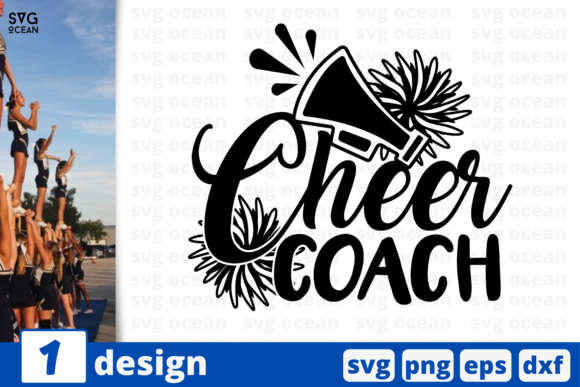
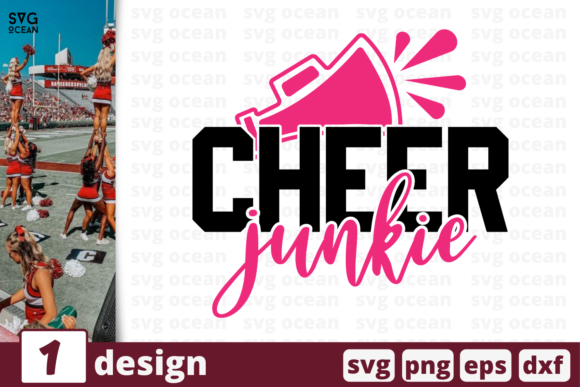
The name itself sets a high-energy tone. Cheer Junkie evokes feelings of enthusiasm, team spirit, and youthful energy. The layout likely features bold lettering with a playful attitude. In the world of embroidery, typography is everything. A font that looks great in vector form can sometimes become illegible once it is stitched with satin stitches or fill stitches.
My initial assessment is that this design belongs best in projects where the owner wants to express passion. It fits naturally on a sweatshirt for a squad member, a tote bag for a practice day, or a baby onesie for a future cheer mom. The visual weight of the text suggests it should be treated as a statement piece. It is not a subtle accent; it is the main character of the garment. For a handmade shop owner or Etsy seller, this design offers immediate recognition. Customers looking for "cheer" related items will stop scrolling because the theme is clear and direct.
Real-World Application: From Screen to Stitch
Let me walk you through a practical scenario. Imagine you are preparing a batch of personalized gifts for a local high school cheerleading squad. You want to create matching embroidered patches or decorate aprons for the post-game celebration. This is where Cheer Junkie shines, provided you handle the technical aspects correctly.
When I tested similar designs on fabric, the key was ensuring the stitch density matched the intended look. If you are using machine embroidery design software to convert the SVG, you need to check if the curves in the letters are sharp enough for small hoop sizes. For a large sweatshirt embroidery project, the design has room to breathe. The threads can flow without crowding each other, creating a professional finish that customers trust.
However, if you plan to use this for baby embroidery on a tiny bib or a hat, you must be cautious. The detail level in the original graphic might get lost if the digitization process does not account for the small surface area. A design that works perfectly on a tote bag design might turn into a blob of thread on a cap. I often advise clients to scale the design down by 50% in their software before importing it to see if any letters merge together. This simple step saves hours of frustration and wasted thread.
Navigating Technical Challenges
Not every fabric plays nice with every design. Cheer Junkie relies on clear lines to communicate its message. On textured fabrics like fleece or heavy denim, the texture can interfere with the clarity of the stitching. The thread might not lay flat, causing the letters to look uneven or fuzzy. Similarly, stretchy fabrics require a stabilizer that provides enough rigidity to prevent puckering. Without proper stabilization, the tension of the satin stitch can pull the fabric out of shape, ruining the aesthetic of the final product.
Dense stitch areas are another potential pitfall. If the design includes thick fill stitches, too many layers of thread can make the fabric stiff. This is particularly important for products that need to be flexible, such as custom apparel or pillow covers. If the back of the embroidery feels like cardboard, the customer will notice. Always inspect the stitch density during the digitizing phase. If the design is too dense, consider switching some areas to a running stitch or reducing the number of passes.
Dark fabrics present their own set of challenges. High contrast is essential for legibility. If the background is black and the thread color is dark blue, the design will disappear. I recommend testing the design in a black and white mockup first to ensure the contrast holds up. This is especially relevant for commercial embroidery projects where brand consistency matters. A muddy-looking logo or quote reduces the perceived value of the item.
Where to Use with Caution
There are specific situations where Cheer Junkie might not be the best choice without significant modification:
- Small Hoop Sizes: Tiny details in the corners of letters may not stitch well in hoops smaller than 4x4 inches.
- Curved Surfaces: While caps are popular, applying a large, blocky design to a curved brim requires advanced digitizing skills to avoid distortion.
- Frequent Washing: Designs with long floating stitches or delicate outlines may snag or fray after multiple washes. Ensure the design has adequate underlay stitches to anchor the threads.
- Thin Fabrics: Lightweight materials like silk or thin cotton blends may pucker easily unless stabilized with cut-away backing.
Impact on Product Value and Brand Trust
In the competitive world of Etsy sellers and small shop products, quality is what separates a hobbyist from a professional. A well-executed Cheer Junkie design signals attention to detail. It shows that you care about the durability and appearance of the item you are selling. Conversely, a sloppy execution can lead to negative reviews and damaged reputation.
When customers receive a personalized gift or a boutique item, they judge the quality based on the stitching. Clean edges, consistent tension, and appropriate thread colors contribute to a sense of professionalism. This design, with its energetic vibe, can enhance the emotional connection between the wearer and the product. It transforms a simple piece of clothing into a statement of identity.
For digital product sellers offering printable mockups, showcasing this design on high-quality garments can boost buyer engagement. Seeing the design on a realistic sweatshirt or tote bag helps potential buyers visualize the end result. However, remember that the mockup is only as good as the underlying design file. Ensure that the embroidery file you provide or use is optimized for the specific machine you are targeting.
Practical Designer Notes for Success
Before you start stitching, there are several non-negotiable steps to ensure a successful outcome. First, always test the design on scrap fabric that matches your final material. This allows you to adjust thread colors, tension, and stabilizer type without risking your actual project.
Review the stitch density carefully. If the design feels too heavy, reduce the fill percentage. Check whether the design works for both personal and commercial projects by verifying the license terms included in the zipped folder. Some files allow personal use only, while others permit selling finished items. Ignoring this can lead to legal issues down the line.
Confirm the hoop size requirements. If the design exceeds your machine's capabilities, you may need to split the design into multiple sections, which adds complexity to the sewing process. Inspect small details like serifs or decorative accents to ensure they are large enough to be stitched clearly. Finally, compare light and dark fabric backgrounds to choose the most impactful thread colors.
If you are unsure about the exact stitch count or machine compatibility, do not guess. Reach out to the creator or consult the documentation provided with the digital embroidery file. It is better to spend extra time researching than to ruin a client order. By following these guidelines, you can turn the Cheer Junkie concept into a stunning, market-ready product that stands out in the crowded craft business landscape.