Shoot for Your Goals: A Designer's Embroidery Review
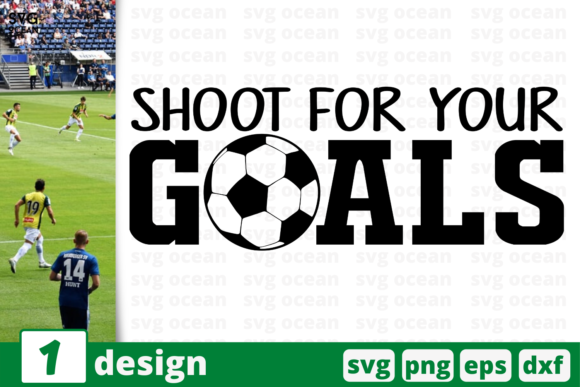
When I first opened the folder for Shoot for Your Goals, I didn't just see a quote; I saw a mood. As someone who has spent years stitching custom apparel and evaluating digital assets for my own boutique, I look past the marketing fluff to ask one question: does this design actually hold up under the needle? The file is categorized under Crafts and Graphics, but its true potential lies in how it translates from a flat screen to a textured fabric surface. This isn't just another generic motivational phrase; it carries a specific energy that feels perfectly suited for athletic wear, youth gifts, or spirited small business branding.
The layout immediately suggests movement. In the world of machine embroidery, static text can sometimes feel stiff on a finished product. However, the composition here implies action, which aligns beautifully with the soccer theme. When I ran a mental simulation of this design on a standard crewneck sweatshirt, the visual weight felt balanced. It doesn't scream for attention like a neon print might; instead, it invites a closer look, offering a sense of encouragement that fits well on nursery walls, tote bags, or the back of a team jersey. The typography appears sturdy enough to handle the tension of satin stitches without losing legibility, a critical factor when you are aiming for a professional finish.
From Digital File to Finished Product
The real test of any embroidery file happens during the digitization process and subsequent stitching. While the download includes SVG, DXF, PNG, and EPS formats compatible with Cricut Design Space and Silhouette, we must remember that converting a vector graphic into a stitch pattern requires careful consideration. For a project like a custom embroidered patch or a personalized gift, the transition from a crisp digital line to a thread path is where mistakes often occur.
If you plan to use this for commercial embroidery or as part of your Etsy listings, the design needs to be robust. The concept of "shooting for goals" works exceptionally well on items that require durability. Imagine this stitched onto a canvas tote bag used by a young athlete heading to practice. The stitch density must be high enough to prevent the fabric from showing through, yet loose enough to avoid puckering. On a heavy cotton blend sweatshirt, the design would likely excel, providing a clean, raised texture that catches the light nicely. However, on thinner fabrics like a lightweight tee shirt, the stabilizer choice becomes paramount. Without proper backing, even a well-composed design can warp the garment, ruining the intended aesthetic.
Real-World Application Scenarios
I recently considered using a similar motivational motif for a batch of baby onesies destined for a holiday gift shop. The Shoot for Your Goals design could easily be adapted for that niche, perhaps with softer thread colors like pastel blue or mint green. The playful nature of the quote makes it versatile for baby embroidery, turning a simple piece of clothing into a keepsake that parents will cherish. The design's simplicity allows it to stand out without overwhelming the small canvas of a infant's chest or back.
For the craft fair crowd, this asset shines when applied to aprons or kitchen towels. There is a growing trend of combining culinary themes with sports metaphors, and this design bridges that gap perfectly. Picture a home cook wearing an apron embroidered with this quote while preparing a game-day feast. The handmade product value skyrockets when the design resonates with the user's lifestyle. Similarly, for Etsy sellers creating digital mockups, having a clean, adaptable design like this ensures that your printable previews look professional. Buyers trust shops that present clear, high-quality images of their work, and a design that looks sharp in a mockup often translates to higher conversion rates.
However, not every application is a guaranteed success. When considering curved surfaces like caps or hats, the curvature of the brim can distort lettering if the digitization isn't optimized for 3D space. If the letters are too tight or the spacing is uneven, the text may become unreadable once stitched. This is particularly risky on dark fabrics where contrast is key. If the thread color doesn't pop against a navy or black cap, the message gets lost. Always test your thread colors against the actual fabric swatch before committing to a large production run.
Technical Considerations for the Savvy Maker
Before you hit the start button on your machine, there are several practical steps to ensure your embroidery project succeeds. First, always test the design on scrap fabric. This simple step reveals issues with stabilizer selection, hoop size limitations, and potential thread breaks. If you are working with stretchy fabric, such as spandex blends found in athletic wear, you need a cut-away stabilizer to maintain the integrity of the design over time. Washed-out designs are a common complaint among customers, so ensuring the stitch density is appropriate for the fabric weight is essential.
Pay close attention to the small details. In many graphics, tiny elements can get lost in the stitching process, appearing as blobs rather than distinct shapes. If the design includes fine lines or intricate corners, they may require a running stitch rather than a dense fill to remain visible. Check whether the design works for both personal and commercial projects by reviewing the license terms provided by the creator. Selling finished items featuring this design requires clear permission, and assuming you have rights can lead to legal trouble down the line.
Furthermore, consider the longevity of the final product. For items that need frequent washing, like gym bags or team uniforms, the quality of the satin stitch and fill stitch matters immensely. Loose threads or poor registration can make a custom apparel item look cheap after just a few cycles. By inspecting the design closely and adjusting the settings on your machine, you can mitigate these risks. Comparing light and dark fabric backgrounds in your initial tests will also help you decide if a cover stitch or a different thread palette is necessary to achieve the desired visual impact.
Final Thoughts on Visual Appeal and Value
In the end, the value of a design like Shoot for Your Goals lies in its ability to elevate a simple object into something meaningful. Whether you are creating a personalized gift for a friend or building a brand identity for your small shop product, the emotional connection is what drives sales. This design offers a positive, forward-looking vibe that resonates with a wide audience. It feels authentic, not forced, which is rare in the sea of mass-produced digital assets.
For those looking to expand their inventory of design assets, this file provides a solid foundation. It is versatile enough for holiday embroidery, wedding favors, or even corporate team-building events. The key is to approach it with the same care you would give any client project. Treat the digitization process with respect, select the right materials, and focus on the details that separate a hobbyist project from a professional masterpiece. With the right execution, Shoot for Your Goals can become a staple in your collection of machine embroidery design files, ready to inspire creativity and confidence in anyone who wears or uses it.