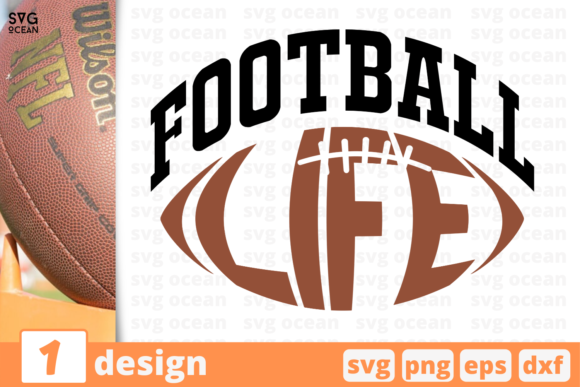
Football Life: A Designer's Review for Real Embroidery Work
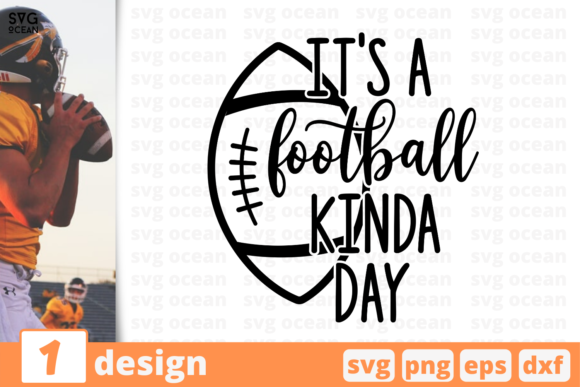
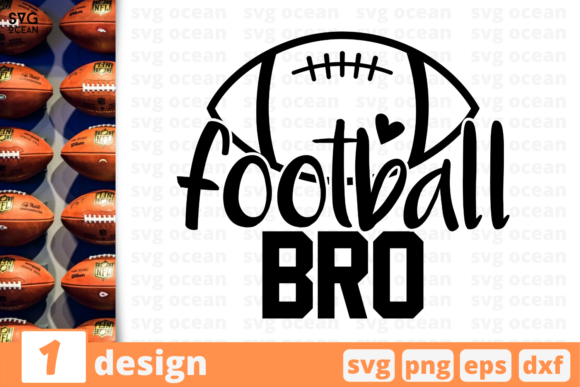
When I first opened the folder for Football Life, my initial reaction wasn't about the file formats or the download speed. It was about the vibe. As someone who has spent years stitching designs onto everything from baby onesies to boutique aprons, I know that a design's success often comes down to its soul before it even hits the hoop. This piece carries a distinct energy—it feels less like a generic sports graphic and more like a lifestyle statement. The layout suggests a narrative of passion, community, and the weekend ritual that defines so many families. It is the kind of visual asset that doesn't just sit on a screen; it begs to be touched, stitched, and worn.
In the world of digital products, specifically within the Crafts and Graphics categories, finding a design that balances text with a thematic element can be tricky. Too much detail gets lost in small hoops, while too little looks cheap. Football Life seems to hit that sweet spot where the typography and the implied imagery work together to create a cohesive look. It feels ready for the real world, not just a digital mockup.
From Screen to Stitch: The Real-World Test
Let's talk about how this design performs when you actually put it under the needle. I recently considered using Football Life for a custom order—a set of matching sweatshirts for a local youth league team. The goal was to create something that felt professional but still had that handmade charm that customers love on platforms like Etsy. When I ran the file through my digitizing software, the vector lines were clean, which is a crucial first step for any machine embroidery design.
The design shines best on medium-to-large canvas items. Imagine a heavy cotton tote bag or a fleece-lined hoodie. The text needs room to breathe, and the fill stitches need a stable background to anchor them. If I were to place this on a standard 4x4 inch patch, I would worry about the lettering becoming too cramped. However, on a chest pocket of a jacket or the back of a t-shirt, the scale works perfectly. It commands attention without overwhelming the garment.
For the stitch types, I envision a mix of satin stitch for the main quote to give it that glossy, raised texture, paired with a running stitch or a light fill for any graphical elements if they are present. This combination adds depth. When a customer receives a personalized gift like a baby blanket or a nursery pillow cover featuring this design, the tactile difference between the smooth satin letters and the textured fabric background creates a sense of quality. It signals to the buyer that care was taken in the creation process.
Where Football Life Fits Best
This design is versatile, but it isn't a universal fit. Understanding where it belongs is key to maintaining your reputation as a skilled embroiderer. Football Life is an obvious choice for holiday gifts during the fall season or game day parties. It fits naturally into a collection of kitchen towels for the dad who grills or the mom who manages the sidelines. It also translates well to commercial embroidery projects for small shops looking to stock seasonal merchandise.
I have seen designers use similar layouts for aprons, turning a simple cooking tool into a statement piece for the grill master. The design's theme allows it to bridge the gap between sportswear and home decor. Whether it is being used as an embroidered patch on a denim vest or printed on a printable mockup for an online listing, the core message remains clear. It appeals to hobbyists and craft business owners alike because it taps into a shared cultural experience.
For the Etsy seller or the creative entrepreneur, this is a strong asset. It offers high recognition value. Customers scanning a shop looking for "football gear" will stop at this design because it speaks directly to their identity. It elevates the perceived value of the finished product. A plain shirt is just a shirt; a shirt with Football Life stitched in gold thread on navy fabric becomes a keepsake.
Practical Pitfalls and Design Constraints
However, every designer knows that what looks good on a monitor can sometimes struggle on the fabric. There are specific scenarios where Football Life requires caution. If you are working with small hoop sizes, such as those found on compact home machines, you must verify the dimensions of the design carefully. If the text is too tight, the threads may crowd each other, leading to puckering or a loss of definition.
Fabric choice is another critical factor. Stretchy fabrics, like thin jersey knits, require extra stabilizer support. Without a cut-away stabilizer beneath the design, the tension of the embroidery could distort the material, ruining the shape of the letters. Similarly, dark fabrics demand a careful selection of thread colors. If the design includes fine details or tiny lettering, white or light-colored threads might get lost against a black background unless a high-density underlay is used. Always test the contrast before committing to a full production run.
Curved surfaces, such as baseball caps, add another layer of complexity. While the design might be scalable, the curvature of a cap can stretch the stitches unevenly. If the design has sharp corners or intricate curves, they might soften or blur when stitched on a curved surface. For these applications, I recommend testing on scrap fabric first to ensure the stitch density holds up. Dense stitch areas can cause the fabric to pucker if the underlying structure isn't reinforced properly.
Designer Notes for Professional Results
If you are planning to use this design for commercial purposes or personal gifts, here are a few practical steps to ensure success. First, check the file formats provided. The description mentions SVG, DXF, PNG, and EPS. While these are excellent for cutting machines like Cricut or Silhouette, remember that machine embroidery often requires specific digitized files (like .DST, .PES, or .JEF). If you are using the SVG directly in embroidery software, you may need to convert it and adjust the stitch types manually.
Review the stitch density settings in your software. High-density fills look luxurious but can be stiff and difficult to sew on lightweight fabrics. Adjust the density based on the project type. For a baby item, you might want a softer feel, whereas a men's sweatshirt can handle a heavier, denser stitch. Also, inspect the small details. Sometimes, when converting a raster image to a vector or vice versa, tiny elements can disappear or become jagged. Zoom in and check every corner.
Don't forget to confirm licensing terms. If you intend to sell finished products made with this design, ensure you have the right to do so. Some digital assets are for personal use only, while others allow commercial sales of physical goods. Clarifying this upfront protects your small business from legal issues later. Finally, create a black-and-white mockup of the design to see how the contrast reads without the distraction of color. This helps you visualize the final product's impact on different backgrounds.
In conclusion, Football Life is a thoughtful addition to any crafter's library. It offers a blend of sentiment and style that resonates with football fans and crafters alike. By understanding its strengths and respecting its limitations regarding fabric and hoop size, you can turn this digital file into a stunning, high-quality finished product. Whether you are making a one-off gift or building a line of boutique products, this design provides a solid foundation for creativity. Just remember: the best embroidery comes from preparation, patience, and a keen eye for detail.