Pumpkin with Hello Fall Saying Review
As a designer who has stitched thousands of designs for clients and personal projects, I approach every new file with a mix of excitement and skepticism. When I first opened Pumpkin with Hello Fall Saying, my initial reaction was one of immediate seasonal recognition. It hits that specific sweet spot of autumn warmth without feeling cluttered or overly complex. The mood it creates is undeniably cozy, inviting, and perfectly aligned with the current market demand for harvest-themed decor and apparel. But does it hold up under the needle? That is the real question for any embroidery designer or small business owner looking to turn this into a finished product.
The First Stitch: Visual Personality and Layout
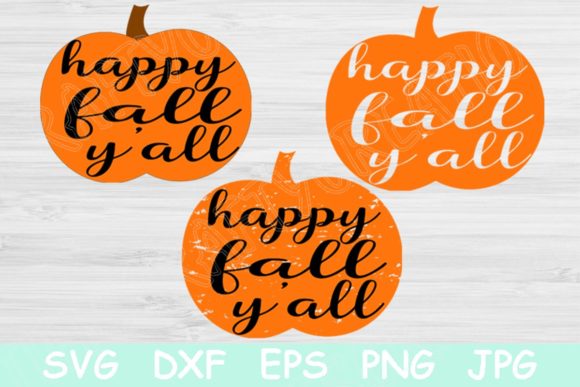
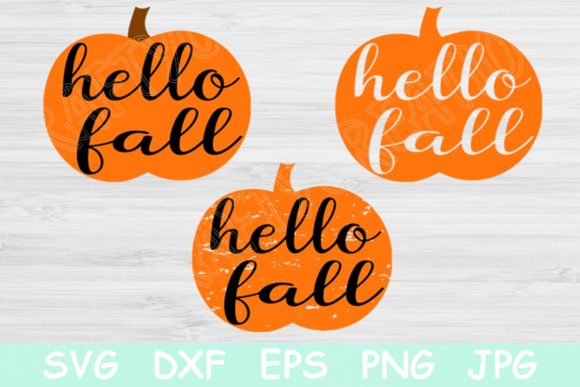
The design features a classic pumpkin shape paired with the welcoming phrase "Hello Fall." From a composition standpoint, the layout feels balanced and versatile. The text curves naturally around the fruit, creating a circular flow that guides the eye inward. This is crucial because embroidery relies heavily on how the stitches interact with the fabric surface. In my experience, designs that are too wide often get lost on smaller items like caps or baby onesies, while those that are too tall can look awkward on kitchen towels or tote bags. Pumpkin with Hello Fall Saying strikes a proportional balance that suggests it will work well across a variety of formats.
The visual personality is friendly and approachable. It doesn't try to be high-art or abstract; instead, it leans into the charm of handmade goods. For an Etsy seller or boutique owner, this aesthetic is gold. It signals quality and thoughtfulness to a customer browsing for a personalized gift. The detail level appears sufficient to show texture in the pumpkin's ridges without becoming so dense that it risks puckering the fabric during stitching. However, the success of this look depends entirely on the thread colors chosen and the stability of the base material.
Real-World Application: A Custom Tote Bag Scenario
To truly evaluate this file, let's imagine a practical scenario. Suppose you are preparing inventory for a local craft fair or launching a new line of fall merchandise on your shop. You decide to create a custom embroidered tote bag featuring Pumpkin with Hello Fall Saying. You select a heavy-duty canvas in a deep navy blue and plan to use golden yellow and burnt orange threads.
In this context, the design performs admirably. The pumpkin shape stands out vividly against the dark background, and the "Hello Fall" text remains legible even from a few feet away. Because the design isn't excessively large, it fits comfortably within the standard hoop size, allowing you to center it perfectly on the front panel of the bag. When the machine finishes, the satin stitch outlining the pumpkin gives it a crisp edge, while the fill stitches inside provide a nice texture that mimics the skin of a real gourd. Customers walking through the booth would likely stop to touch the bag, drawn in by the tactile quality of the embroidery. This kind of tangible appeal is what drives sales for handmade products.
However, if you were to attempt this same design on a thin, stretchy jersey sweatshirt without proper stabilization, the results might differ. The weight of the fill stitches could pull at the knit fabric, causing the letters to distort or the pumpkin to warp. This highlights why understanding the relationship between your embroidery file and your chosen fabric is non-negotiable for professional results.
Where to Use It (And Where to Be Cautious)
This design is incredibly versatile, but it is not a universal solution for every project type. Here is where Pumpkin with Hello Fall Saying shines:
- Home Decor: It works beautifully on pillow covers, tea towels, and aprons. The rustic theme complements farmhouse-style kitchens perfectly.
- Apparel: Sweatshirts, hoodies, and denim jackets are ideal candidates. The design adds a pop of color and personality to otherwise plain garments.
- Baby Items: For nursery decor or baby blankets, the soft, rounded shapes are gentle and appropriate.
- Commercial Embroidery: Small shop owners can use this as a signature element for their brand's seasonal collections.
Conversely, there are situations where you should exercise caution. If you are working with very small hoop sizes, such as those used for hats or patches, the lettering might become too tight to read clearly. The curves of the text need enough space to breathe. Additionally, textured fabrics like bouclé or thick fleece can hide the finer details of the stitching. On these materials, the design might look muddy rather than crisp.
Another critical area to watch is dense stitch areas. If the pumpkin section uses a high density of fill stitches, it may require a stronger stabilizer to prevent the fabric from pulling inwards. For curved surfaces like baseball caps, ensure the design is digitized specifically for the curve, or it may appear stretched when viewed from the side. Always test on scrap fabric first to confirm that the stitch density matches the fabric's tension capabilities.
Impact on Brand and Customer Trust
In the world of craft business and digital product sales, the quality of your output directly influences customer trust. A well-executed embroidery project using Pumpkin with Hello Fall Saying elevates the perceived value of the item. It transforms a simple piece of fabric into a cherished keepsake. When customers receive a personalized gift that looks professionally made, they are more likely to return for future purchases and recommend your services to others.
For designers selling digital assets, ensuring that the file renders correctly in various mockups is essential. If you are creating printable mockups for your listings, check how the design looks on both light and dark backgrounds. The contrast provided by the pumpkin and text should remain sharp regardless of the backdrop. This attention to detail reinforces your reputation as a reliable source for design assets.
Practical Designer Notes for Success
Before committing this design to a final production run, here are a few technical steps every maker should take:
- Test on Scrap Fabric: Never skip this step. Run the design on a piece of the actual fabric you intend to use to check for puckering or distortion.
- Check Thread Colors: Ensure your chosen thread palette offers enough contrast against the fabric. A light pumpkin on a white shirt might disappear without a distinct outline.
- Review Stabilizer Needs: Depending on the fabric weight, you may need cut-away or tear-away stabilizers to support the satin stitch and fill stitch elements.
- Inspect Small Details: Zoom in on the text to make sure the kerning (spacing) allows for clear reading after stitching.
- Confirm Licensing: If you plan to sell finished items or include this in a commercial bundle, double-check the license terms provided with the file. Some digital embroidery files restrict commercial use.
Ultimately, Pumpkin with Hello Fall Saying is a solid addition to any fall collection. It balances simplicity with charm, making it suitable for everything from a quick hobbyist project to a high-volume commercial run. By paying attention to fabric choice, stabilization, and thread selection, you can ensure that your finished product looks as good as it feels. Whether you are an experienced embroiderer or just starting your journey in Crafts and Graphics, this design offers a reliable foundation for creating memorable, handmade items.