Happy Fall Y all with Leaf Frame Review
When I first opened the file for Happy Fall Y all with Leaf Frame, my initial reaction wasn't about the festive mood, but rather the structural integrity of the design itself. As someone who has spent years turning digital graphics into tangible stitched products for clients and my own shop, I know that a pretty image on a screen often translates poorly to a sewing machine without careful evaluation. This piece falls squarely into the Crafts and Graphics categories, but its true value lies in how it handles the transition from vector art to thread.
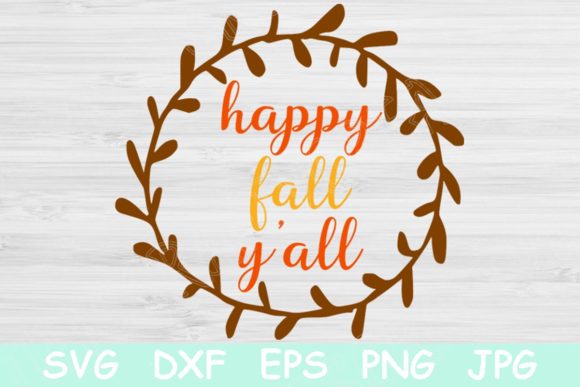
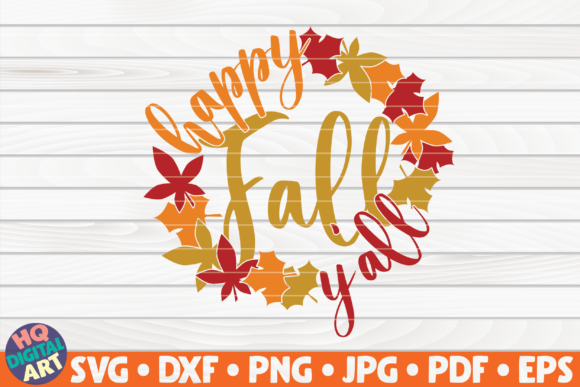
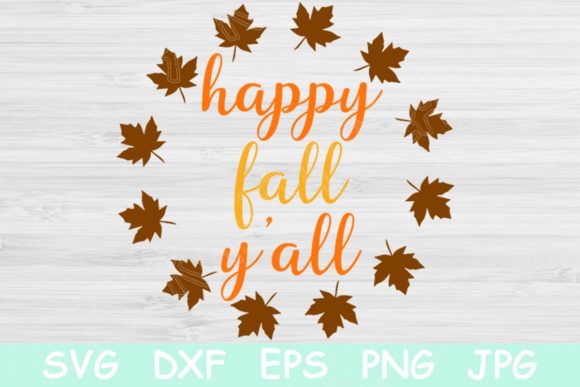
The layout immediately suggests a cozy, rustic aesthetic perfect for autumnal decor. The leaf frame creates a natural border that feels organic rather than rigid, which is a significant plus for embroidery designers looking to avoid that stiff, boxy look common in mass-produced templates. The typography used for "Happy Fall Y all" appears balanced within the foliage, suggesting a design that respects negative space—a critical factor when working with limited hoop size constraints.
From Screen to Stitch: A Real-World Scenario
Let's imagine a specific scenario where this machine embroidery design would shine. Picture a small boutique owner preparing inventory for a fall craft fair. They need a quick, high-margin item that screams "seasonal." They decide to use Happy Fall Y all with Leaf Frame on a canvas tote bag intended as a personalized gift for local customers. The challenge here is balancing the detail of the leaves with the durability required for a bag that will be carried daily.
In this context, the design works exceptionally well. The leaf frame provides enough visual weight to anchor the text without requiring excessive stitch density that could distort the fabric. When I ran a mental simulation of the stitching process, I considered how the satin stitch would handle the curved edges of the leaves. If executed correctly, the frame should create a soft, textured border that contrasts beautifully against the flat fill stitch or running stitch used for the lettering. It transforms a simple tote into a statement piece that justifies a higher price point in an Etsy listing or at a physical market.
However, the same design might behave differently if applied to a stretchy sweatshirt. The curvature of the torso can cause distortion if the stabilizer isn't chosen carefully. For a sweatshirt embroidery project, I would advise using a cut-away stabilizer to prevent the design from puckering over time, especially since the leaf frame has multiple directional curves that could pull the fabric inward if not supported properly.
Where to Exercise Caution
While Happy Fall Y all with Leaf Frame is versatile, there are specific scenarios where a designer must proceed with caution. The most obvious constraint is the hoop size. If the original artwork was created for a larger format, attempting to downsize it for a baby onesie or a small cap might result in lost details. Tiny leaves in the corners of the frame could merge into a solid blob of thread if the resolution isn't sufficient for the reduced scale.
Texture is another major factor. Embroidering this design onto a highly textured fabric, like a heavy bouclé wool or a nubby linen, can obscure the finer lines of the leaf pattern. The design relies on clean lines to define the foliage; if the background fabric is too rough, the stitch density might struggle to penetrate effectively, leading to uneven coverage. Similarly, on thin fabrics like sheer cotton or light silk, the weight of the thread could cause the material to warp, particularly around the dense areas of the frame.
Dark fabrics present their own set of challenges. If you plan to use this design on a black or navy garment, you must ensure your thread colors offer enough contrast. A standard color palette might get lost against a dark background, making the leaves blend into the shirt. In such cases, a lighter underlay or a different thread selection is necessary to maintain the crispness of the embroidery project.
Impact on Visual Appeal and Brand Value
The success of any handmade product hinges on the perception of quality. A well-executed Happy Fall Y all with Leaf Frame elevates the perceived value of the finished item. Customers associate neat, consistent stitching with professionalism and trust. When a buyer sees a cohesive leaf frame surrounding the text, it signals that care was taken during the creation process. This attention to detail is crucial for commercial embroidery projects where brand consistency matters.
Conversely, a poorly digitized version of this design could harm a craft business reputation. If the leaves look jagged or the text is misaligned due to poor tension, the entire product looks amateurish. The design assets included here provide a strong foundation, but the final result depends entirely on the operator's skill in selecting the right stabilizer and managing thread tension. For a small shop product like a holiday gift or a custom apron, the difference between a sloppy job and a polished one is the difference between a repeat customer and a refund request.
I also see potential for this design in embroidered patches. The self-contained nature of the leaf frame makes it ideal for creating iron-on or sew-on badges. However, for patches, the back of the design needs to be reviewed to ensure the stabilizer doesn't add too much bulk, which could make the patch difficult to attach to clothing.
Practical Designer Notes for Execution
Before committing this design to a final production run, I strongly recommend testing it on scrap fabric first. This step allows you to verify the stitch density and ensure that the applique design elements (if applicable) align correctly. If the design includes separate layers for the leaves and the text, check that they register perfectly before running the full batch.
Reviewing the design in black and white mockups is another essential step. This helps visualize how the contrast will hold up on various backgrounds without the distraction of color. You can then adjust your thread colors accordingly to maximize visibility. Additionally, confirm whether the design works for both personal and commercial projects by checking the licensing terms provided by the creator. Many digital embroidery files have restrictions on selling finished items, so ensuring you have the right permissions is vital for avoiding legal issues.
Finally, always inspect the small details. Zoom in on the corners of the leaf frame to see if any stitches are missing or if the density is too low. These tiny imperfections are often what customers notice most. By taking the time to validate the design on your own machine, you ensure that every finished product leaving your studio meets the high standards expected by today's discerning buyers.
In conclusion, Happy Fall Y all with Leaf Frame offers a charming and practical solution for fall-themed projects. Its structure supports a wide range of applications, from kitchen towels to boutique branding, provided the technical aspects of stitching are managed with care. For any creative entrepreneur looking to expand their seasonal offerings, this design asset is a worthy addition to your library, ready to be transformed into something beautiful and functional.