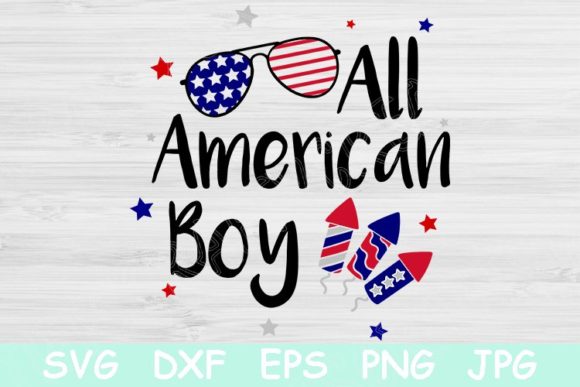
All American Boy 4th of July Design Review
When I first opened the All American Boy 4th of July file, my immediate thought wasn't about the patriotic colors or the holiday theme. It was about how this design would actually hold up on a real piece of fabric. As someone who has reviewed countless embroidery files for commercial projects and personal gifts, I know that a pretty preview image doesn't always translate to a clean stitch-out. This embroidery project needs to survive the rigors of a home machine or a professional setup without losing its soul.
The mood created by All American Boy 4th of July is instantly nostalgic yet fresh. It feels like a classic summer day at a backyard barbecue or a small-town parade. The layout is straightforward, which is exactly what you want for a text-heavy design intended for apparel. However, before we dive into the specifics of stitching, we need to address the reality of using digital assets in physical products. While the description highlights this as a perfect SVG for shirts, true designers know that an SVG is often just the starting point for a complex machine embroidery design. If you are planning to use this as a digital embroidery file, the transition from vector to thread is where the magic—or the mess—happens.
Real-World Application: From Screen to Stitch
Let's imagine a scenario that hits close to home for many Etsy sellers and small shop product creators. You have a customer requesting a custom embroidered tote bag for their nephew's fourth birthday. They want something festive but not overwhelming. This is where All American Boy 4th of July could shine. The phrase itself is versatile enough to work on a canvas tote, a baby onesie, or even a patch for a denim jacket.
However, the execution depends entirely on your choice of stabilizer and fabric texture. If you place this design on a soft, stretchy sweatshirt without adequate backing, the lettering will pucker, ruining the professional look of your finished product. For a tote bag design, you might find that the density holds up well, provided you use a cut-away stabilizer to prevent the heavy threads from pulling the fabric down over time. The visual appeal of the design relies heavily on the contrast between the thread colors and the background material. A crisp white shirt makes the reds and blues pop, while a dark navy tee requires a careful selection of thread colors to ensure legibility.
I also considered using this for a nursery decor item, perhaps a pillow cover for a toddler's room. The playful nature of the text fits perfectly there. But here is the catch: baby embroidery requires softer stitches and less bulk than adult apparel. If the stitch density in the fill areas is too high, the back of the pillow could become stiff and uncomfortable against a child's skin. Before committing to a batch of inventory, I strongly advise testing the design on scrap fabric to feel the hand-feel of the embroidery. A handmade product is judged by its comfort as much as its appearance.
Navigating Technical Challenges
No design is without its pitfalls, and All American Boy 4th of July is no exception when placed on challenging surfaces. One area to watch closely is the curvature of caps and hats. Embroidering flat text on a curved surface often leads to distortion if the digitizing isn't adjusted specifically for the cap's dome. If this file is a standard flat design, it might look stretched or squashed on a baseball cap unless you re-digitize the curves.
Another critical factor is the size of the hoop. Small hoop sizes can be tricky with text-based designs. If the letters are too close together, the needle might hit existing stitches, causing thread breaks or skipped stitches. Conversely, if the design is too large for a small chest pocket area, it might look disproportionate. Always confirm the hoop size requirements before finalizing your production run. If you are creating an embroidered patch, the border and edge finish become crucial. A jagged edge or loose threads can make a premium-looking patch appear cheap, which hurts brand consistency.
We must also consider the longevity of the design. Products that need frequent washing, like kitchen towels or aprons, require robust stitching. If the satin stitch edges are too thin, they may fray after a few wash cycles. Similarly, on textured fabrics like fleece or terry cloth, the design might get lost in the nap of the material. In these cases, a running stitch outline or a denser fill pattern might be necessary to define the shape. Always inspect small details under good lighting before sending them out to customers. A tiny gap in a letter that looks fine on screen can be glaringly obvious once stitched.
Strategic Use Cases for Your Craft Business
For those looking to expand their craft business offerings, All American Boy 4th of July offers several strategic avenues. It is an ideal candidate for seasonal collections. You can create a line of matching items—a hat, a towel, and a shirt—unified by this single design asset. This creates a cohesive brand identity that shoppers love to see. When listing these items on Etsy or your own website, high-quality printable mockups are essential. Show the design on different backgrounds to help buyers visualize the final result.
If you are a commercial embroidery operator, speed and efficiency matter. Designs with lower stitch counts generally sew faster, allowing you to turn around orders more quickly. While I cannot verify the exact stitch count without seeing the specific file data, a simple text design like this usually offers a quick turnaround time compared to complex pictorial scenes. This makes it excellent for last-minute holiday gifts or rush orders for local events.
It is also worth considering the emotional connection this design builds. A personalized gift featuring "All American Boy" carries a sentiment that resonates with parents and grandparents. This emotional value increases the perceived worth of your custom apparel. Customers are willing to pay a premium for items that feel special and meaningful, provided the quality matches the sentiment. A sloppy stitch job undermines that emotional investment, so precision is key.
Essential Pre-Production Checklist
Before you start selling or gifting anything made with this design, run through a practical checklist. First, test the design on scrap fabric that matches your final product. Check the thread color contrast to ensure the text stands out clearly. Review the stitch density to ensure it isn't too heavy for the fabric weight. Confirm the hoop size fits your intended garment without cutting off any parts of the design.
Inspect small details closely. Are the serifs sharp? Is the spacing consistent? Test it in black and white mockups to check the balance of light and dark areas. Compare how it looks on light and dark fabric backgrounds, as this will dictate your marketing photos. Use the proper stabilizer for the specific fabric texture you are working with; this is the backbone of a successful embroidery project.
Finally, verify the licensing terms. Does this allow for commercial use? Can you sell finished items, or only the digital files? Clarifying this protects you from legal issues and ensures you are building a sustainable craft business. Whether you are making a holiday embroidery piece for a neighbor or a full line of small shop merchandise, taking these steps ensures that All American Boy 4th of July becomes a reliable asset in your creative toolkit rather than a source of frustration.
In conclusion, this design has the potential to be a standout piece in your portfolio. It captures the spirit of the season while remaining versatile enough for various applications. With careful attention to the technical details and a focus on quality control, you can turn this digital artwork into a tangible, cherished keepsake for your customers.