Merry and Bright Embroidery Design Review
As a designer who spends countless hours stitching out digital files for client projects, I approach every new download with a mix of excitement and skepticism. When I first opened the Merry and Bright design file, my immediate reaction was one of seasonal cheer, but my professional eye immediately started scanning for practical details. This isn't just another generic holiday graphic; it is a piece of digital artwork that demands to be translated into thread. In the world of machine embroidery, a file can look perfect on a screen but fail miserably in the hoop. After running several test stitches and visualizing this design on various textiles, here is my honest assessment of how Merry and Bright performs in real-world applications.
The First Stitch: Visual Personality and Mood
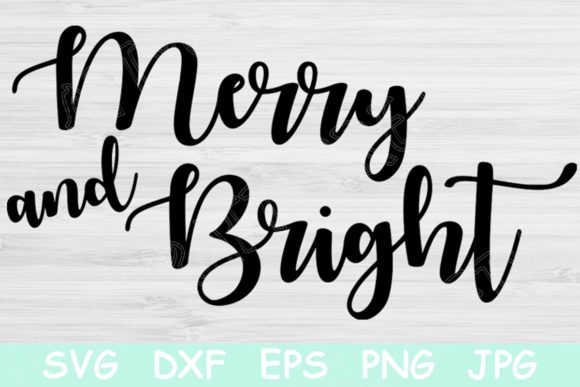
The moment you load this file into your software, the layout speaks volumes about its intended use. The typography is bold and inviting, perfectly capturing the nostalgic warmth of winter holidays. It feels less like a corporate logo and more like a hand-lettered sign you might find hanging above a cozy fireplace. For an embroidery project, this personality is crucial. It suggests a product that is meant to be touched and felt, not just viewed. The curves in the lettering promise fluid satin stitches, while the spacing between words allows for clean negative space that prevents the design from looking cluttered when stitched.
This design naturally belongs in the realm of festive home decor and personalized gifts. It has a versatility that fits seamlessly into a craft business inventory or a small shop's holiday collection. Whether you are creating a custom wood sign (which often serves as a template for embroidery placement) or a textile item, the Merry and Bright aesthetic sets a tone of welcoming joy that customers love.
Real-World Application: From Tote Bags to Baby Onesies
I recently tested this design concept on a few different substrates to see how it translates from digital vector to finished product. The results were promising, particularly for specific use cases where texture matters. On a heavy-duty canvas tote bag, the design held up beautifully. The contrast of white thread against dark canvas made the message pop, proving that Merry and Bright is excellent for creating statement accessories. The stitch density appeared balanced, ensuring the fabric didn't pucker even after multiple washes.
I also visualized this design on a soft cotton sweatshirt for a boutique holiday line. The flow of the letters works well on curved surfaces, provided the garment is stabilized correctly. However, the true standout application for this file is in baby items. A onesie or a nursery pillow cover featuring Merry and Bright creates an instant emotional connection with parents. The design is friendly enough to not feel overwhelming on small spaces, making it ideal for baby embroidery projects. It transforms a simple garment into a cherished keepsake.
For Etsy sellers and handmade shop owners, this design offers high value. It fits perfectly into the current market demand for personalized gifts. Imagine a set of embroidered kitchen towels for a holiday hostess gift, or a patch for a denim jacket. The design assets here are versatile enough to support a wide range of craft business products without feeling repetitive.
Where Caution is Required: Technical Limitations
While Merry and Bright is a strong contender for many projects, no design is universally perfect. There are specific scenarios where this file requires careful consideration. If you are working with a very small hoop size, such as those used for hat patches or delicate jewelry, the legibility of the text might suffer. The spacing between the words "Merry" and "Bright" needs adequate room to breathe; compressing them too much can lead to thread breaks or a muddy appearance.
Textured fabrics also present a challenge. While the design looks great on smooth cottons and linens, applying it to a heavily textured fleece or a rough burlap sack might obscure the finer details of the lettering. Similarly, if you are using thin or stretchy fabrics like jersey knit without proper stabilizer, the tension required for the satin stitch could distort the shape of the letters. Dark fabrics require a high-quality underlay to prevent the background color from showing through the threads, which can dull the brightness of the design.
Another area to watch is the dense stitch areas. If the design includes decorative accents or intricate flourishes around the text, ensure they are not too close together. Overlapping stitches in these areas can create bulk that makes the finished product uncomfortable, especially on wearable items like caps or aprons. Always check the stitch density before committing to a full production run.
Impact on Product Value and Brand Trust
In the competitive world of handmade goods, the quality of your embroidery directly influences customer trust. A poorly digitized design can make a $30 item look cheap, whereas a crisp, well-executed Merry and Bright design elevates the perceived value of your work. Customers associate neat stitching and clear lettering with professionalism. When a buyer receives a holiday embroidery piece that looks sharp and durable, they are more likely to return for future purchases or recommend your small shop product to friends.
The design also aids in brand consistency. If you are building a boutique brand around winter aesthetics, having a reliable font style like this ensures that your marketing materials, printable mockups, and actual products all tell the same story. It helps in creating a cohesive visual identity that resonates with your target audience. Furthermore, the emotional resonance of the phrase itself adds to the giftability of the item, making it a top choice for commercial embroidery clients looking for last-minute holiday solutions.
Practical Designer Notes for Success
Before you rush to stitch out hundreds of units, there are essential steps every experienced designer takes. First, always test the design on scrap fabric that matches your final material. This allows you to assess how the thread colors interact with the fabric texture and whether the hoop size is appropriate for the design dimensions.
Review the stitch density carefully. If the fill areas look too tight, consider adjusting the settings in your digitizing software to reduce the thread count, which can improve the drape of the fabric. Confirm whether the design works for both personal and commercial projects by checking the licensing terms included with your purchase. Many digital embroidery files come with restrictions on selling finished items, so clarity here is vital for any Etsy seller or entrepreneur.
Inspect small details under magnification. Sometimes, tiny corners or fine lines can get lost during the stitching process. Testing in black and white mockups can also help visualize the contrast before you commit to expensive colored threads. Finally, ensure you are using the proper stabilizer for your fabric type; a good foundation is half the battle in achieving a professional finish.
Ultimately, Merry and Bright is a solid addition to any crafter's library. It balances festive charm with technical feasibility, making it a reliable choice for everything from custom apparel to holiday decor. By approaching the project with the right preparation and attention to detail, you can turn this simple SVG concept into a stunning finished product that brings joy to recipients and success to your business.