Teacher Fuel Teacher Quote: A Designer's Real-World Review
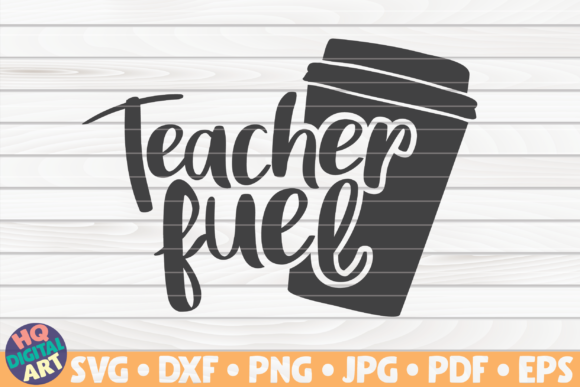
When I first opened the Teacher Fuel Teacher Quote file, my initial reaction wasn't about the technical specs or the file formats. It was about the vibe. As a designer who spends hours evaluating graphics for real embroidery projects, I look for that specific spark that tells me this design will translate beautifully from a screen to a needle and thread. This piece immediately felt like it belonged in a classroom setting, a cozy coffee shop, or perhaps on a tote bag carried by an educator who appreciates a bit of humor in their daily grind.
The layout is clean, but not sterile. It balances wit with a professional aesthetic that works well for both personal gifts and commercial merchandise. Before I dive into how it performs under the hoop, let's talk about what you actually get. The package includes a robust set of digital assets: 1 DXF file, 1 PDF file, 1 SVG file, 1 PNG file at 300ppi with a transparent background, 1 JPG file, and 1 EPS file. Having this variety is crucial for modern craft business owners who need flexibility between vector cutting machines and standard embroidery software.
From Screen to Stitch: Visual Personality
The core strength of Teacher Fuel Teacher Quote lies in its typography and spacing. In machine embroidery, lettering can often become a nightmare if the kerning isn't perfect or if the font weight is too thin. This design avoids those pitfalls. The lines appear substantial enough to hold up against a satin stitch border without collapsing, yet detailed enough to retain character when rendered in fill stitches.
Visually, it creates a mood of appreciation and resilience. It feels like a design that says, "I know this job is hard, but I love it." That emotional connection is vital for handmade products. Whether you are creating a custom apparel item for a staff room gift or a boutique product for your Etsy shop, the design carries a narrative that customers want to buy into. It isn't just text; it is a statement piece that adds value to the finished product.
Real-World Application: The Tote Bag Scenario
Let's imagine a practical scenario. You are preparing for a busy holiday season, and you have a client who wants a personalized gift for their favorite elementary school teacher. They aren't looking for generic flowers or hearts; they want something witty and relatable. You decide to use Teacher Fuel Teacher Quote on a canvas tote bag.
Here is where the design shines. Canvas is a textured fabric, and achieving clarity on it requires a design that doesn't rely on tiny, delicate details that might get lost in the weave. The bold nature of this quote ensures that even with the texture of the canvas, the message remains legible. When stitched, the contrast between the thread color and the natural canvas creates a high-end, artisanal look. It elevates a simple tote bag into a keepsake that a teacher would actually use every day, rather than tossing in a closet.
I also see this working exceptionally well on sweatshirt embroidery. Imagine a soft fleece hoodie embroidered with this quote in a contrasting thread color. The density of the fill stitches would provide a nice tactile feel against the soft fabric, making it a premium gift item. For a small business owner, this translates directly to higher perceived value. Customers are willing to pay more for items that look professionally executed and thoughtfully designed.
Where to Exercise Caution
While this design has strong potential, no single embroidery file is a magic bullet for every situation. As an experienced reviewer, I must point out where Teacher Fuel Teacher Quote might face challenges. If you plan to use this on a cap or hat, you need to be mindful of the curvature. Curved surfaces can distort lettering if the design isn't adjusted for the specific curve radius. Always test the placement on the actual garment before running a full production run.
Another area to watch is fabric choice. On stretchy fabrics like jersey knit, you must use the proper stabilizer to prevent puckering. If the design is too dense for a lightweight fabric, it could cause the material to pucker around the edges, ruining the drape of the garment. Similarly, on dark fabrics, ensure you choose thread colors that offer sufficient contrast. A light gray thread on a black shirt might get lost unless you use a heavy underlay or a specific thread type designed for visibility.
Be careful with very small hoop sizes. If you attempt to shrink this design down to fit a tiny baby onesie or a miniature patch, you risk losing the integrity of the letterforms. The fine details that make the design charming might disappear entirely when scaled down too much. Always check the minimum recommended dimensions provided in the file instructions before committing to a project.
Technical Execution and Professional Tips
To get the best results with Teacher Fuel Teacher Quote, there are a few technical steps every designer should follow. First and foremost, always test the design on scrap fabric. This is non-negotiable. Running a test allows you to adjust the stitch density and tension settings specific to your machine and the fabric you are using. You might find that a slightly lighter underlay makes the satin stitches pop more effectively.
Review the stitch density carefully. If the design uses too many fill stitches in a small area, it can become stiff and uncomfortable to wear. Conversely, if it is too sparse, it may lack the visual impact needed for a commercial product. Inspect the small details, particularly the corners of letters, to ensure they won't snag or break during the stitching process. Using a running stitch for outlines instead of a satin stitch can sometimes soften the look and reduce bulk on thicker materials like aprons or pillow covers.
Don't forget to check your thread colors. The visual appeal of the final product relies heavily on the harmony between the thread and the base fabric. I recommend testing the design in black and white mockups first to ensure the contrast holds up. If you are selling these items, consistency is key. Ensure that every batch looks identical so your brand maintains a reputation for quality.
Commercial Viability and Licensing
For those of you running a craft business or selling on platforms like Etsy, understanding the licensing terms is essential. While the file package includes various formats like SVG, DXF, and EPS, which are great for design assets, you must confirm whether you are allowed to sell the finished physical items. Some licenses restrict commercial use, while others grant it freely. Always read the fine print regarding the digital product and the rights to create a finished product for sale.
If the license permits, this design is a fantastic addition to your catalog. It fits perfectly into categories like holiday embroidery, personalized gifts, and teacher appreciation week. The versatility allows you to create a range of items, from kitchen towels and aprons to nursery decor and wedding gifts. The design acts as a reliable anchor for your creative output, ensuring that your handmade products remain relevant and appealing to your target audience.
In conclusion, Teacher Fuel Teacher Quote is more than just a graphic; it is a tool for building trust with your customers. When executed correctly with the right stabilizer, thread colors, and fabric choices, it produces a finished product that looks professional and heartfelt. It bridges the gap between digital convenience and the tangible warmth of handmade goods. By taking the time to test and refine your approach, you can turn this simple design into a standout piece for your next embroidery project.