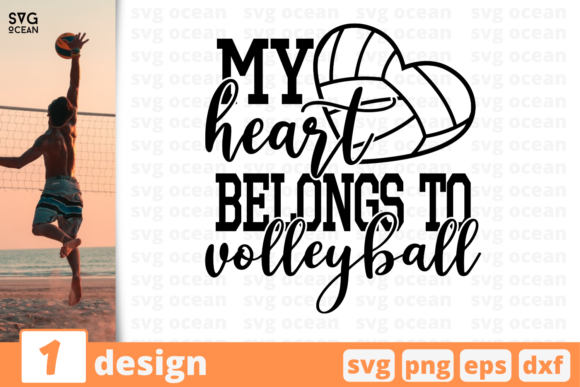
My Heart Belongs to Volleyball
When I first opened the folder for My Heart Belongs to Volleyball, I wasn't just looking at a vector; I was visualizing the finished stitch on a customer's garment. As a designer who reviews files daily, my initial reaction is always about the mood and the potential application. This piece immediately evokes a sense of passion and dedication. It isn't just a logo; it is a statement of identity that speaks directly to athletes, coaches, and parents in the volleyball community. The layout feels balanced, suggesting that this design has been crafted with an eye toward how it will translate from a digital screen to the tangible texture of thread.
The file comes as part of a comprehensive download including svg, dxf, png, and eps formats. While these are standard for cutting machines, for an embroidery project, the true test lies in how the vector translates into stitch paths. In the context of Crafts and Graphics, this asset stands out because it bridges the gap between a simple cut-out and a textured textile element. If you are an Etsy seller or a small business owner looking to expand your inventory, understanding the nuances of this specific design is crucial before you commit to production.
From Screen to Stitch: A Real-World Scenario
Let's imagine a practical scenario where I would deploy My Heart Belongs to Volleyball. I am preparing a custom order for a local youth league team. They need matching sweatshirts for their parents' night game. The goal is to create a product that looks professional but retains that handmade warmth that buyers love. I place the design on the left chest area of a navy blue performance fleece.
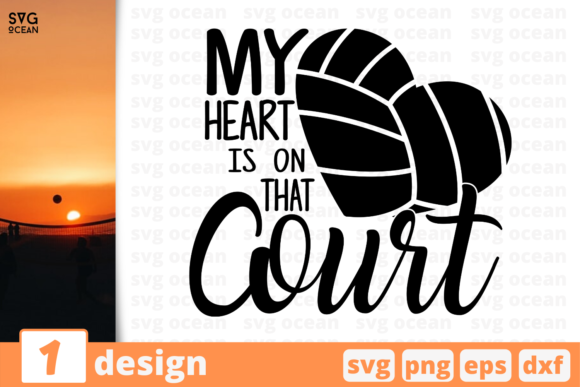
Visually, the heart shape provides a perfect anchor point. Unlike a complex illustration that might get lost in the fabric weave, the bold typography combined with the iconic heart symbol cuts through the texture of the material. When I run the machine, the satin stitch around the heart edges creates a smooth, glossy finish that contrasts beautifully against the matte fabric of the sweatshirt. The result is a finished product that feels substantial and valuable. Customers walking into a boutique expecting a generic mass-produced item are often pleasantly surprised by the depth and clarity of a well-executed machine embroidery design like this one.
This same design could easily transition to a tote bag design for a summer camp or a baby embroidery project for a newborn shower gift. The versatility here is high. For a baby blanket, the softer curves of the heart work well without overwhelming the delicate fabric. However, the decision to use this design requires careful consideration of the end-user's environment. If the item is going to be washed frequently, such as a kitchen towel or a play apron, the density of the stitches becomes a critical factor in durability.
Navigating Fabric and Texture Challenges
Not every surface is created equal, and My Heart Belongs to Volleyball behaves differently depending on what it touches. On smooth, stable fabrics like twill for a cap or cotton poplin for a shirt, the design shines. The fill stitch remains crisp, and the lettering is legible even at smaller sizes. However, there are situations where caution is required.
If you attempt to embroider this on a stretchy knit fabric without proper stabilization, the tension of the threads can cause the fabric to pucker, distorting the heart shape and making the text difficult to read. Similarly, on dark fabrics, the contrast of the thread color is paramount. If the design relies on fine details that are meant to blend in, they may disappear entirely. You must select thread colors that offer sufficient contrast to ensure the message is clear. Testing the design in black and white mockups is a smart step to verify readability before cutting any fabric.
Small hoop sizes present another challenge. While the design is likely scalable, reducing it too much can merge the individual elements of the heart and the text, creating a muddy blob rather than a distinct image. For detailed corners or tiny lettering, a larger hoop size ensures that the needle has enough room to move without crowding the stitches. This is particularly important if you are producing embroidered patches where the edge finish needs to be clean and precise.
Strategic Placement for Business Growth
For the creative entrepreneur, the value of a design extends beyond its aesthetic appeal. It affects brand consistency and buyer engagement. Using My Heart Belongs to Volleyball on commercial embroidery projects allows you to tap into a passionate niche market. Whether you are selling personalized gifts for birthdays or holiday embroidery items for Christmas, having a design that resonates emotionally with the recipient increases the perceived value of your handmade product.
Consider the lifecycle of the product. A tote bag featuring this quote becomes a walking advertisement for your shop when customers carry it to games. An apron used in a family kitchen keeps the design visible during daily routines. These are not just items; they are assets that build recognition. However, to maintain professionalism, the execution must be flawless. This means inspecting small details under good lighting and ensuring that the stabilizer chosen matches the weight of the fabric. A heavy-duty stabilizer might be needed for a thick hoodie, while a lighter option suffices for a tea towel.
When evaluating this design for a digital product preview or printable mockup, ensure that the resolution captures the nuance of the lines. Buyers cannot touch the product, so the visual representation must convey the quality of the stitching. If the digital file lacks clarity, it undermines trust in the final physical product.
Essential Notes for the Embroidery Designer
Before you start stitching, there are several practical steps to take to ensure success. First and foremost, test the design on scrap fabric. This is non-negotiable. You need to see how the thread tension interacts with your specific fabric choice. Check the thread color contrast against both light and dark backgrounds to confirm visibility. Review the stitch density settings in your software; if the fill is too dense, it can make the fabric stiff and uncomfortable, especially on apparel like baby clothes or hats.
Confirm the hoop size requirements for your specific machine. Different brands have different capabilities, and some designs may require multiple hooping positions to achieve the full look. Inspect small details closely; sometimes, what looks good on a screen can lose definition in the stitch process. Use proper stabilizer to prevent shifting and puckering, which can ruin the entire project.
Finally, pay close attention to licensing. If you plan to sell finished items featuring My Heart Belongs to Volleyball, you must confirm whether the license terms allow for commercial use. Some digital products are restricted to personal use only, while others grant broader rights. Do not assume; check the documentation provided with the download. If the file includes svg, dxf, png, and eps formats, remember that converting these to embroidery files requires additional processing to optimize the stitch paths. Ensure that the conversion maintains the integrity of the original design.
In conclusion, My Heart Belongs to Volleyball is more than just a graphic; it is a versatile tool for the modern maker. With thoughtful application and attention to technical details, it can elevate your custom apparel, enhance your handmade product line, and delight your customers. Whether you are a hobbyist making a gift or a small shop owner scaling your business, this design offers a strong foundation for creating meaningful, high-quality embroidered pieces.