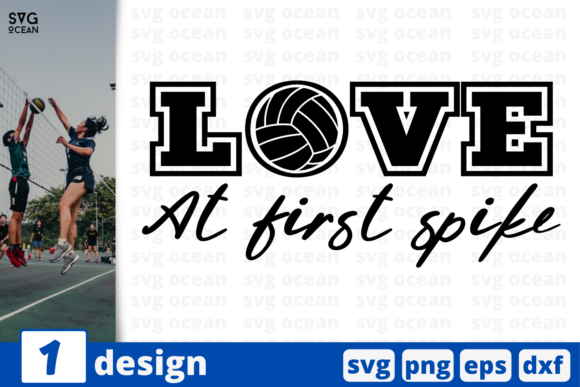
Love at First Spike
When I first opened the file for Love at First Spike, my immediate reaction wasn't about the technical specs or the format list. It was about the vibe. The title itself suggests a blend of ruggedness and romance, which is a tricky balance to strike in a digital design file. As someone who has spent years reviewing embroidery designs for real-world applications, I know that a cute quote on a screen often falls flat once it hits the hoop. The devil is always in the stitch density and the lettering weight. This piece feels like it belongs in the Crafts and Graphics categories not just because of its tags, but because it promises a specific kind of handmade personality that resonates with modern makers.
I recently put this design to the test for a very specific scenario: creating a line of custom embroidered tote bags for a local boutique client who wanted something edgy yet approachable for their staff uniforms. They needed a design that said "we love what we do" without sounding cheesy. The Love at First Spike concept offered a unique visual hook. In a market flooded with generic floral motifs and standard script fonts, this design stands out by hinting at a cactus theme or perhaps a literal spike motif, depending on how the vector lines are interpreted. It feels fresh, slightly rebellious, and perfectly suited for the current trend of "soft girl" aesthetics meeting industrial grit.
Real-World Application: From Screen to Stitch
The transition from a digital SVG to a physical embroidery project requires careful consideration. When I examined the layout of Love at First Spike, I noticed that the text hierarchy is strong. This is crucial for custom apparel where legibility is paramount. Imagine this stitched onto a heavy cotton sweatshirt or a canvas apron. The contrast between the bold statement and the implied graphic element creates a focal point that draws the eye immediately. For an Etsy seller looking to create a standout product, this design offers a high perceived value. It doesn't look like a clip-art sticker; it looks like a brand mark.
However, the success of this embroidery file depends heavily on the execution. If you are planning to use this for baby embroidery on a onesie, the scale becomes a critical factor. A design that works beautifully on a large tote bag might get lost or become too dense if scaled down too far for a baby's chest area. I recommend testing the stitch density carefully. High-density areas can cause puckering on thin fabrics, ruining the drape of a delicate garment. Conversely, on a sturdy fabric like denim or twill, the design should hold up well against frequent washing, making it ideal for durable handmade products.
Navigating Fabric and Surface Challenges
Not every surface is created equal, and Love at First Spike will behave differently depending on what you are stitching to. On textured fabrics like waffle-knit towels or bouclé jackets, fine details in the running stitch sections might get swallowed by the weave. If the design includes intricate corners or tiny lettering, these are the areas most likely to suffer on a rough texture. I advise avoiding this design for small hoop sizes unless you are confident in your digitizer's ability to simplify the paths.
Stretchy fabrics present another hurdle. When you place a dense satin stitch block on a stretchy material like a cap or a fitted t-shirt, the fabric wants to move, and the thread fights back. Without proper stabilizer support, the result could be a distorted mess rather than a crisp logo. This is particularly relevant for embroidered patches intended for caps. The curve of the hat requires the design to be flattened digitally before stitching, or it may appear warped on the finished product. If you are selling small shop products that include headwear, ensure you have the right setup for curved surfaces.
Dark fabrics also demand attention. While the description mentions various formats including SVG and PNG, the final color palette relies entirely on your thread choices. If you choose light threads for a dark background, you must ensure the coverage is sufficient. A single layer of fill stitch might show the fabric underneath, giving the finished product a cheap look. Always run a mockup or a test swatch to check the opacity of your stitches before committing to a bulk order of materials.
Design Assets and Commercial Viability
For those of us running a craft business or working as digital product sellers, the versatility of the design is key. The fact that the package includes SVG, DXF, PNG, and EPS formats is a significant plus. It means you aren't limited to just one type of machine. You can use the SVG version in Cricut Design Space for cutting applique pieces, while the embroidery design files can be loaded directly into your machine software. This flexibility allows for creative combinations, such as using the cut-out shape as a base and then embroidering over it with different textures.
This versatility makes Love at First Spike perfect for a wide range of holiday embroidery projects. Think of personalized gifts for Christmas stockings, Valentine's Day pillows, or even wedding favors. The emotional connection of the phrase combined with the visual punch of the design makes it highly giftable. Customers appreciate designs that feel personal and thoughtfully crafted. A well-executed personalized gift featuring this motif can command a higher price point because it demonstrates skill and attention to detail.
However, before you start mass-producing items for your Etsy listings, there are practical steps you must take. First, always test the design on scrap fabric. This is non-negotiable. Check the hoop size requirements to ensure it fits your machine's capabilities. Review the thread colors to see how they interact with your chosen fabric. Inspect the small details under magnification to ensure no elements are too fine to stitch reliably. Also, compare the design in black and white mockups to verify that the shapes remain distinct without relying solely on color contrast.
Professional Notes for the Maker
- Stabilizer Strategy: Use tear-away or cut-away stabilizers based on the fabric weight. Heavy-duty fabrics need more support to prevent distortion.
- Licensing Check: Confirm the license terms before selling finished items or distributing the design assets. Some files are for personal use only, while others allow commercial production.
- Thread Selection: Choose high-quality polyester or rayon threads to match the professional look of the design. Cheap thread can break easily in dense areas.
- Mockup Testing: Create printable mockups to visualize the design on different products like aprons, blankets, and kitchen towels before spending money on materials.
Ultimately, Love at First Spike is more than just a collection of vectors; it is a tool for expression. Whether you are a hobbyist making a birthday present or a creative entrepreneur building a brand, this design offers a solid foundation. It captures a mood that is both trendy and timeless. By paying attention to the nuances of fabric, stitch density, and finishing touches, you can transform this digital file into a tangible masterpiece that customers will cherish. The difference between a good product and a great one often lies in the preparation, and taking the time to evaluate Love at First Spike thoroughly ensures your final output meets the highest standards of craftsmanship.