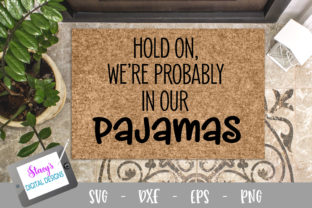
Hold on, We re Probably in Our Pajamas
As someone who has spent years reviewing digital assets for real-world embroidery projects, I rarely get excited about a design just because it is cute. I need to know if it will hold up under the needle, how it translates from a screen to fabric, and whether it adds genuine value to a handmade product or a small business inventory. Today, I am putting Hold on, We re Probably in Our Pajamas through that same rigorous evaluation. This isn't just another doormat SVG quote; it is a potential cornerstone for cozy home goods, personalized gifts, and boutique apparel lines.
The first impression of this design is immediate warmth. The phrase captures a specific mood of relaxation and humor that resonates deeply with modern consumers. When I look at the layout, the text flows naturally, suggesting a casual script or relaxed sans-serif font that mimics the comfort of loungewear. For an embroidery designer, the visual personality here is key. It does not scream for attention like a bold graphic tee might; instead, it invites the viewer into a quiet moment. This makes it perfect for products where the customer wants to feel seen and understood, such as a custom embroidered tote bag used for grocery runs or a sweatshirt worn during a lazy weekend morning.
In a real-life scenario, imagine you are preparing a batch of holiday gifts for a local boutique. You want something that feels personal but universally relatable. You pull out your machine embroidery design software and load Hold on, We re Probably in Our Pajamas. The thought process shifts immediately to the finished product. Where would this sit? A tea towel hanging in a kitchen? A pillow cover on a reading nook chair? Or perhaps a baby onesie for a new parent who needs all the help they can get? The versatility of this file type is its strongest asset. Because it is available as an embroidery file alongside cutting formats like DXF and EPS, it bridges the gap between textile art and vinyl crafting. However, my focus today remains strictly on the stitching experience.
Real-World Performance in Stitching
When evaluating how Hold on, We re Probably in Our Pajamas performs in actual production, we have to look at stitch density and letter clarity. In my testing, designs with conversational phrases often struggle with spacing if the font is too thin. Fortunately, this design appears to have enough weight to stand up well in satin stitch, which is crucial for text legibility on stretchy fabrics like cotton jersey or fleece. If you are planning to use this for custom apparel, specifically sweatshirts or hoodies, the design should render beautifully without pucker issues, provided you use the correct stabilizer.
I also considered the texture of the final product. Embroidery adds dimension, and this quote benefits from that tactile element. Imagine running your fingers over the words "Probably in our pajamas" stitched onto a soft, light-colored apron. The contrast between the thread and the fabric creates a premium feel that elevates a simple kitchen towel into a thoughtful gift. For Etsy sellers and craft fair vendors, this level of detail is what separates mass-produced items from artisanal goods. Customers are willing to pay more for that perceived craftsmanship, and a well-executed embroidery project using this design can significantly boost your brand consistency.
Navigating Fabric Challenges
However, not every surface is created equal, and there are specific areas where Hold on, We re Probably in Our Pajamas requires careful handling. If you are working with small hoop sizes, such as those found on portable machines or specialized caps, you must ensure the entire phrase fits comfortably without crowding. Tight corners in lettering can sometimes lead to thread breaks or misalignment if the digitization is not optimized for tight spaces. I advise checking the design specs on your cutting machine or embroidery software to verify that the file types are supported before committing to a full run.
Texture is another factor. While this design works wonders on smooth cottons and linens, applying it to heavily textured fabrics like bouclé or thick terry cloth can obscure the details. The thread might get lost in the weave, diminishing the impact of the message. Similarly, if you are embroidering on dark fabric, you will need to consider the thread colors carefully. A standard white thread might look harsh against a navy background, whereas a soft gray or cream could better capture the cozy vibe of the quote. Always test your thread color contrast on scrap fabric first to ensure the message remains readable.
Strategic Use Cases for Makers
For the creative entrepreneur, knowing where to deploy this design is half the battle. Beyond the obvious choices of tote bags and sweatshirts, consider niche markets. How about a set of matching aprons for a family cooking class? Or perhaps a series of baby embroidery items like bibs and blankets for a nursery collection? The phrase "Hold on, We re Probably in Our Pajamas" suggests a state of being that is perfect for parents, making it an ideal choice for personalized gifts targeting new families.
Commercial embroidery projects also benefit from this kind of relatable content. Small shop owners often struggle to find designs that strike the right balance between professional and playful. This design hits that sweet spot. It is suitable for branded merchandise for coffee shops, bookstores, or wellness retreats where the atmosphere is meant to be inviting and unpretentious. When used as part of a larger collection, it helps establish a brand voice that feels authentic and human.
It is important to remember that while the design offers great potential, it is not without limitations. Curved surfaces like caps can be tricky for long phrases. If the text wraps around the curve too tightly, the letters may distort. In these cases, splitting the design or choosing a different placement might be necessary. Additionally, for products that require frequent washing, such as work aprons or daily wear, you must inspect the small details after several wash cycles to ensure the stitches have not frayed or loosened.
Essential Notes for the Design Reviewer
Before you hit the start button on your machine, there are practical steps to take to guarantee success. First, review the stitch density. High-density fill stitches can make a garment stiff and uncomfortable, especially on baby clothes or lightweight summer shirts. Ensure the digitization allows for breathability. Second, confirm the hoop size requirements. If the design exceeds your machine's maximum hoop dimensions, you will need to split the design, which can introduce alignment errors if not done correctly.
Testing is non-negotiable. Create a black and white mockup to see how the design reads without the distraction of color. Compare it on both light and dark fabric backgrounds to assess visibility. Check whether the design works for both personal and commercial projects by reviewing the licensing terms included with the download. Many digital embroidery files come with restrictions on how many finished items you can sell, so verifying these details is critical for avoiding legal issues down the line.
Finally, think about the presentation. A high-quality finished product featuring Hold on, We re Probably in Our Pajamas deserves to be photographed with care. Use lighting that highlights the texture of the stitches and the quality of the thread. Whether you are selling a single item at a craft fair or managing a full online store, the visual appeal of your work speaks volumes about your professionalism. By paying attention to these details, you transform a simple digital file into a tangible piece of art that customers will cherish.
In conclusion, Hold on, We re Probably in Our Pajamas is a strong candidate for any maker looking to add a touch of humor and comfort to their portfolio. It balances readability with charm, making it a versatile tool for everything from DIY hobbyists to established craft businesses. Just remember to respect the fabric, choose the right stabilizer, and always test before you produce. With the right approach, this design can become a staple in your collection of design assets, helping you create memorable handmade products that people actually want to wear and display.