Don t Listen to Me: A Designer's Real-World Embroidery Review
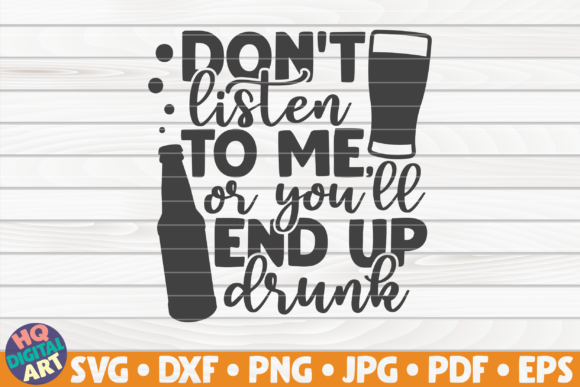
When I first opened the folder for Don t Listen to Me, my initial reaction was a mix of amusement and curiosity. As someone who has spent years reviewing embroidery designs for real-world projects, I know that the best files often carry a specific mood before a single stitch is placed. This design immediately felt like it belonged in a space that values personality over perfection. It isn't just a graphic; it is a statement piece with an attitude that translates surprisingly well into thread.
The concept behind this file is simple yet effective. It captures a rebellious spirit without being aggressive. For a craft business owner or an Etsy seller, this kind of emotional resonance is gold. It suggests that the finished product will appeal to customers who appreciate humor, individuality, and a touch of sarcasm. Whether you are planning a custom sweatshirt for a boutique or a personalized gift for a friend, this design sets a tone that feels modern and relatable.
From Digital File to Finished Product
One of the most critical aspects of evaluating any embroidery file is visualizing how it behaves on actual fabric. The description mentions a variety of formats including DXF, SVG, PDF, PNG, JPG, and EPS. While these formats offer versatility for digital marketing and mockups, the true test lies in the machine execution. When I imagine stitching out Don t Listen to Me, I am thinking about how the lettering holds up against different textures.
In a practical scenario, I recently considered using this design for a batch of aprons intended for a local artisan market. The phrase fits perfectly with a kitchen theme, offering a playful warning to anyone watching me cook. However, the layout requires careful consideration. If the text is too dense, it might look muddy on a thick canvas apron. Conversely, if the spacing is too wide, it might lose its impact on a smaller tote bag. The key here is understanding the balance between the satin stitch used for outlines and the fill stitch needed for bold letters.
For small business owners creating custom apparel, this design offers a unique selling point. It stands out in a sea of generic floral patterns or inspirational quotes that everyone else is selling. Customers looking for something with "attitude" will gravitate toward this piece. It transforms a standard item into a conversation starter. Imagine a mother wearing a shirt with this design while dropping her kids off at school; it speaks directly to her experience without needing words.
Where This Design Shines
There are specific applications where Don t Listen to Me excels due to its strong visual presence. It works exceptionally well on structured garments like caps and hats, provided the curvature of the hat matches the natural flow of the text. The design also has potential as an embroidered patch for denim jackets or backpacks, adding a rugged edge to casual wear.
- Baby Items: While the message is cheeky, it can be softened with pastel threads for a humorous baby onesie or nursery decor. It serves as a great personalized gift for parents who don't take themselves too seriously.
- Holiday Gifts: During the holiday season, this design could be adapted for themed items. Think of a Christmas sweater with a twist or a New Year's Eve pillow cover that promises not to listen to bad resolutions.
- Commercial Embroidery: For shops selling merchandise, this file is a strong asset. It adds value to a basic tote bag or sweatshirt, allowing you to charge a premium for the unique design rather than just the blank garment.
The inclusion of high-resolution images like the 300ppi PNG and JPG is particularly useful for creating printable mockups. Before committing to production, you can place the design on photos of your products to see how it looks to potential buyers. This step is crucial for maintaining brand consistency and ensuring that the final finished product meets customer expectations.
Critical Considerations for Stitching
Despite its charm, no design is perfect for every situation. There are specific scenarios where you must exercise caution when working with Don t Listen to Me. Small hoop sizes are a major constraint. If the design contains intricate details or very fine lines, shrinking it down to fit a 4x4 inch hoop might result in lost definition. The letters could merge together, making the phrase unreadable.
Fabric choice is another vital factor. Stretchy fabrics like jersey knits require extra care. Without proper stabilizer support, the tension from the stitches could cause the fabric to pucker, distorting the message. Similarly, textured fabrics like bouclé or heavy fleece might hide the details of the design, making it look flat or uneven. Dark fabrics present their own challenges; you will need to ensure there is enough contrast between the thread color and the background so the text remains legible.
Dense stitch areas can also be problematic. If the design relies heavily on fill stitches, it may become stiff and uncomfortable on clothing worn close to the skin. For items like baby clothes or underwear, this stiffness is a dealbreaker. Always check the stitch density in your digitizing software. If the density is too high, consider adjusting the settings to allow for better breathability and comfort.
Practical Notes for the Designer
Before you start your next project with this design, I strongly recommend running a few tests. Start by stitching out a sample on scrap fabric that mimics your final material. This allows you to evaluate the thread colors and how they interact with the fabric texture. Does the thread show up clearly? Is the tension balanced?
It is also wise to inspect the small details closely. Sometimes, what looks good on a screen can appear jagged or broken when stitched. Check the corners of the letters and the curves of the text. If the design includes any decorative accents, ensure they are secure and won't snag during washing.
For those planning to sell finished items, confirm the licensing terms associated with the file. Not all digital embroidery files come with commercial rights. Even though the package includes various formats like DXF and EPS, which are industry standards, you must verify that you are allowed to use the design for profit. Ignoring this can lead to legal issues down the line.
Finally, think about the overall aesthetic of your brand. Does Don t Listen to Me align with your shop's vibe? If your brand is all about minimalism and elegance, this design might feel too loud. However, if your brand celebrates fun, creativity, and self-expression, this file is a perfect addition to your collection of design assets.
Ultimately, the success of any embroidery project depends on the designer's ability to adapt the file to the context. With careful planning and attention to detail, Don t Listen to Me can transform a simple piece of cloth into a memorable piece of art. Whether you are a hobbyist making gifts or a professional decorator fulfilling client orders, this design offers a fresh perspective that can elevate your work.
Take the time to experiment, test, and refine. The difference between a good embroidery job and a great one often comes down to these small but significant decisions. By treating this file with respect and understanding its limitations, you can create stunning handmade products that truly resonate with your audience.